Saratoga Water and the Virality They Fumbled
A fitness influencer turned a glass water bottle into the meme of the week. The brand it belonged to said nothing. A short case study in unforced errors.
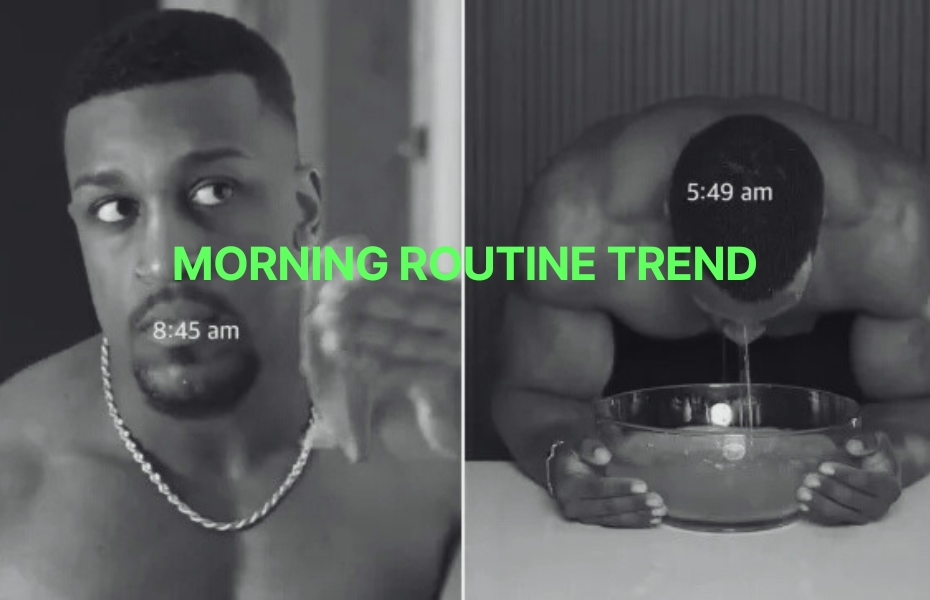
Earlier this year, a fitness influencer posted an absurdly elaborate morning routine that included, almost incidentally, a bottle of Saratoga Spring Water. The internet did what the internet does. The clip became a meme, the bottle became a status symbol-slash-punchline, and Saratoga went viral without spending a cent.
The brand's social accounts said nothing. No acknowledgment, no joke back, no clever response, no nod to the creator who put them on every feed for a week. Just silence.
Why this was a free win
Viral moments of this kind are exceedingly rare. They hand a brand three things at once: mass attention, a built-in narrative, and an audience that is already amused. The cost of participation is one good post.
What they could have done in 48 hours
- A self-aware acknowledgment in their own voice — "we see you" is a complete sentence.
- A short response video parodying the original routine.
- Replies in the comments of the biggest reaction posts, in the brand voice.
- A pinned roundup of the funniest user-generated content with a thank-you to the creator.
The structural problem
Brands that miss moments like this almost never miss them because of bad ideas. They miss them because nobody internally is allowed to post without three layers of approval. The fix isn't a better social team. It's permission. The brands that move at the speed of culture are the brands where a single competent person is trusted to publish without asking.