The Baby Monkey and the Plush Toy
A baby macaque, an IKEA orangutan plush, and a hashtag in Japanese. The most-watched brand moment of February 2026 wasn't a brand campaign.
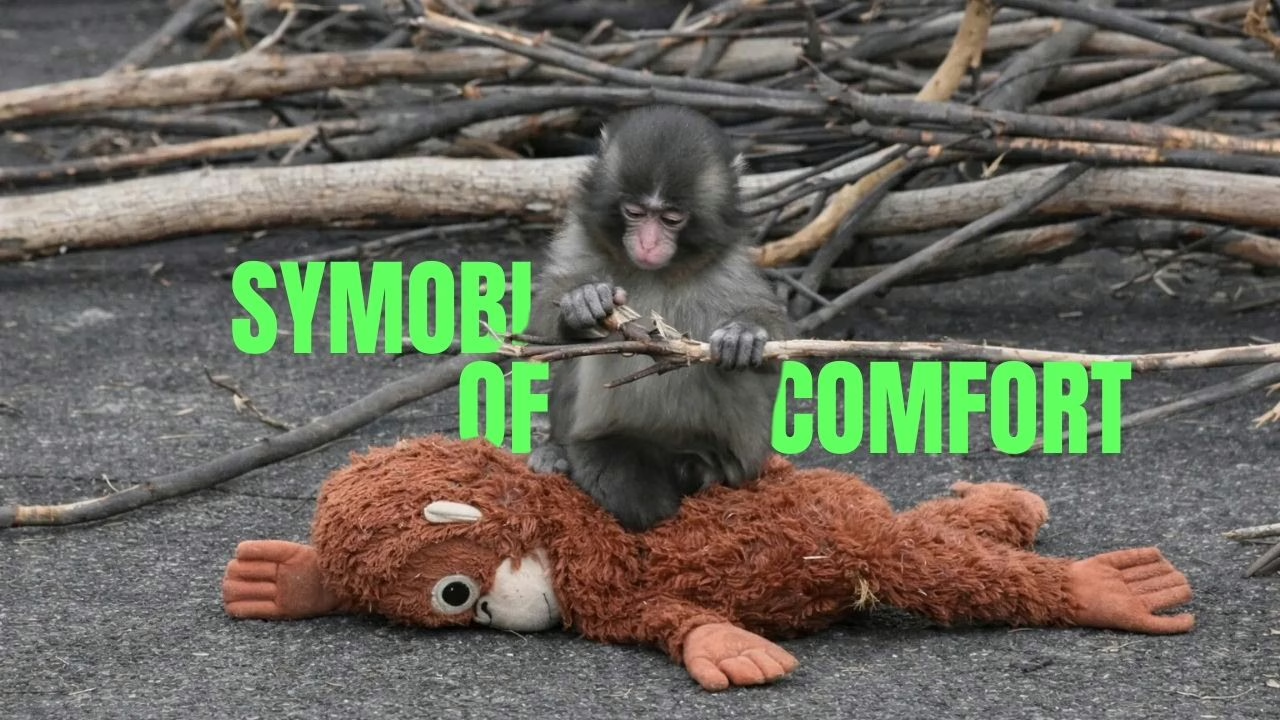
In February 2026, the internet fell in love with a baby Japanese macaque named Punch. Abandoned by his mother at Ichikawa City Zoo, he latched onto the nearest source of comfort — a soft IKEA Djungelskog orangutan plush. The image traveled the way only the simplest images can: a small animal holding something larger than himself.
Why it worked
The story didn't need translation. There was no script, no campaign, no brand voice in the frame. A baby seeking comfort is a narrative every human nervous system understands. The hashtag #がんばれパンチ — "Hang in there, Punch" — gave the global audience a way to participate. Algorithms did the rest.
IKEA's masterclass in restraint
IKEA Japan did the smartest thing a brand can do when it accidentally becomes the protagonist of a story: it showed up without selling anything. The company publicly acknowledged Punch, sent replacement plush toys, donated additional items, and arranged for the IKEA Japan president to visit the zoo. No campaign tagline. No discount code. No product photography wedged into the post.
The lesson
Earned moments like this can't be manufactured, but they can be ruined. The brands that benefit are the ones humble enough to let the story stay about the story. The ones that race to slap a logo on the moment kill the very thing that made it worth being part of.